Natural Tissue Flap Reconstruction
in Harrison, NY

Specialized Plastic Surgery offers advanced natural tissue flap reconstruction for patients in Harrison, NY, seeking restorative breast surgery. This autologous approach utilizes a patient’s own skin and fat to recreate a breast mound with a soft, organic feel. Our surgical team focuses on precision and symmetry to help patients regain their confidence after a mastectomy.

Defining Autologous Tissue Reconstruction

Natural tissue reconstruction involves harvesting a patient’s own living tissue from donor sites like the abdomen, back, or thighs. This tissue is then meticulously shaped to recreate the breast following a mastectomy or lumpectomy. This method avoids the use of synthetic implants, resulting in a breast that ages and moves naturally with the body.

Before & Afters

Your Results, Brought to Life

Exploring Advanced Flap Techniques

Several specialized techniques are available, including the muscle-sparing DIEP flap and the PAP flap from the thigh. Each method focuses on microsurgical precision to ensure healthy blood flow to the reconstructed area. The choice of technique depends on available donor tissue and the specific aesthetic goals of the patient.

DIEP Flap

Harvests tissue from the abdomen without impacting the abdominal muscles, preserving strength and reducing recovery time.

TRAM Flap

Uses abdominal muscle tissue, suitable for cases where additional structure is desired.

LAT Flap

Takes tissue from the back and can be combined with an implant for added volume.

PAP Flap

Sources tissue from the thigh, a good choice when abdominal tissue is not viable.
Why We Prefer the DIEP Flap

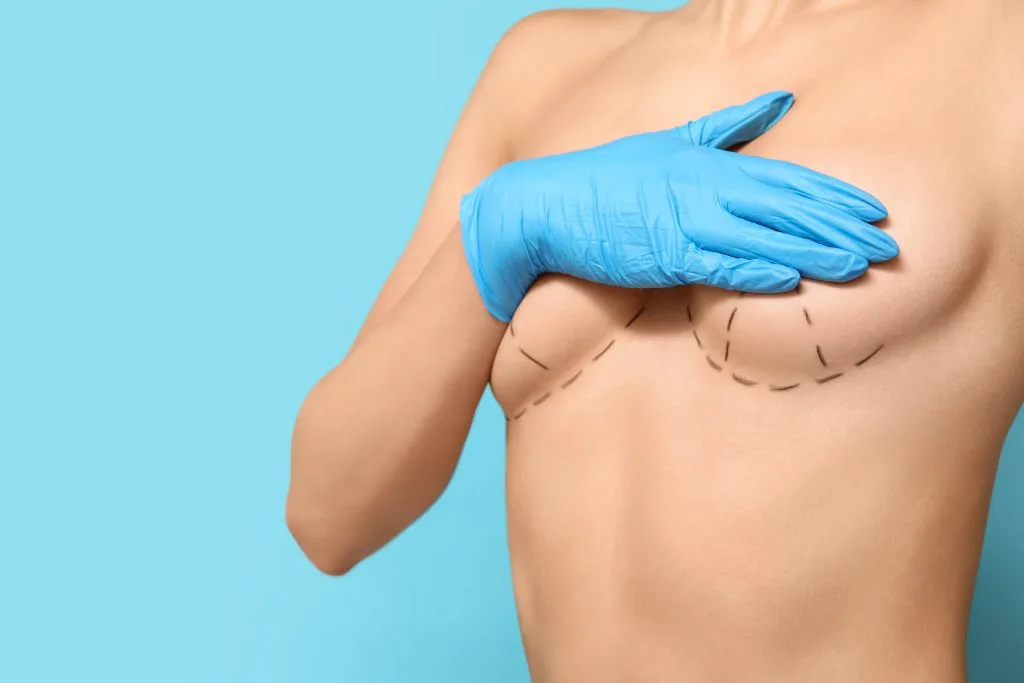
The DIEP flap creates a breast mound that feels soft and looks natural since it’s made from the patient’s own abdominal fat and skin. The result is often more organic and responsive to body changes compared to implant-based reconstructions.
Unlike the TRAM flap, which involves taking muscle tissue from the abdomen, the DIEP flap only uses skin, fat, and blood vessels, preserving the abdominal muscles. This muscle-sparing technique helps reduce post-operative pain, preserves the core strength, and lowers the risk of hernias.
Because the DIEP flap uses the body’s own tissue, it typically adapts better over time to weight fluctuations and aging, creating a long-lasting and durable reconstruction.
For patients who have had or will undergo radiation therapy, the DIEP flap is especially beneficial because it doesn’t rely on synthetic materials, which can be vulnerable to complications from radiation. Natural tissue tends to withstand radiation better, decreasing the risk of contracture or implant issues.
Since the DIEP flap harvests tissue from the abdomen, patients often experience a secondary benefit similar to a tummy tuck. This can be an appealing aspect for many patients, as it results in a flatter, more contoured abdominal area.
After breast reconstruction, we offer procedures to restore the nipple and areola, creating a more complete and natural look.

Planning Your Reconstructive Journey

During the first meeting, the surgical team evaluates your medical history and physical anatomy to determine the most suitable donor site. This visit includes a detailed discussion of your goals and an explanation of the microsurgical process.

Pre-operative imaging may be required to map out the blood vessels in the donor area, ensuring the highest level of surgical accuracy. Patients are also provided with specific guidelines regarding medications and lifestyle adjustments to prepare for the procedure.

The team coordinates closely with oncologists and other specialists to ensure the reconstruction timeline aligns with your overall cancer treatment plan. Clear communication ensures that every stage of the process is managed with a focus on your total well-being.

Microsurgical Reconstruction Process

Administering General Anesthesia

The surgery is performed in a hospital setting under general anesthesia to ensure patient comfort throughout the duration of the procedure. Monitoring equipment tracks vital signs while the surgical team prepares both the donor and recipient sites.

Harvesting the Donor Tissue

Surgeons carefully remove a section of skin, fat, and necessary blood vessels from the abdomen, thigh, or back. In techniques like the DIEP flap, the underlying muscles are left intact to preserve core strength and function.

Microsurgical Vessel Reattachment

Using advanced microsurgery, the blood vessels from the harvested tissue are connected to vessels in the chest. This critical step ensures the flap receives the circulation it needs to remain healthy and viable in its new location.

Shaping the Breast Mound

Once blood flow is established, the tissue is meticulously sculpted to match the natural breast and create a symmetrical appearance. The incisions are then closed with precise suturing techniques to promote optimal healing and minimize scarring.

After Your Procedure

Patients typically spend a few days in the hospital for monitoring before continuing their recovery at home for four to six weeks. It is important to follow all post-operative instructions regarding activity levels, mobility, and incision care to support a smooth transition.

While initial results are visible immediately, the reconstructed breast will continue to settle and soften over several months. Because the tissue is your own, it will fluctuate naturally with changes in weight and age, providing a lasting and cohesive silhouette.

Why Choose DIEP Flap Reconstruction?

DIEP flap reconstruction offers a range of benefits over other techniques, particularly for patients looking for a natural, durable solution. Since the DIEP flap harvests only skin and fat from the lower abdomen (leaving the abdominal muscles intact), patients experience less post-operative pain and a faster recovery than with traditional TRAM flap surgeries. This method also preserves abdominal strength and avoids the risk of hernia associated with muscle harvesting.

Candidates for Autologous Reconstruction

Advantages of Using Own Tissue

Choosing this method provides a breast mound that feels warm and soft, mirroring the characteristics of natural tissue. Additionally, procedures like the DIEP flap can offer the secondary benefit of a flatter abdomen, similar to a tummy tuck, while preserving muscle integrity.

Cost of Natural Tissue Flap Reconstruction
in Harrison, NY

The cost for natural tissue flap reconstruction in Harrison, NY varies based on the specific flap technique used, the complexity of the microsurgery, and the facility fees. We recommend scheduling a consultation to receive a detailed estimate tailored to your medical needs and insurance coverage.

Why Choose Specialized Plastic Surgery for Natural Tissue Flap Reconstruction

Specialized Plastic Surgery features a team of plastic surgeons highly skilled in the intricate microsurgical techniques required for successful flap transfers. Our practice is dedicated to providing compassionate, patient-centered care and utilizing the latest innovations to achieve balanced, natural-looking results for every individual.


Frequently Asked Questions for Natural Tissue Flap Reconstruction

How does this differ from a breast implant?

Unlike implants, which use synthetic silicone or saline, this method uses your own living tissue. This results in a breast that feels more organic and behaves like natural tissue over time.

No, the DIEP flap is a muscle-sparing technique that only harvests skin and fat. This allows patients to maintain their abdominal strength and experience a faster recovery compared to older methods.

Yes, there will be a scar at the site where the tissue was harvested, such as the lower abdomen. However, these are typically placed in areas that can be easily hidden by clothing or swimwear.

Yes, natural tissue is often the preferred option for patients who have undergone radiation. Autologous tissue brings its own blood supply, which helps it heal better in areas where the skin has been damaged by therapy.

Yes, the Women’s Health and Cancer Rights Act of 1998 requires insurance companies to cover all stages of breast reconstruction. This includes surgery on the opposite breast to produce a symmetrical appearance.

For every goal, every story, every patient

Excellence is What
You Deserve