Enhanced Recovery After Plastic Surgery

At Specialized Plastic Surgery, we follow ERAS protocols as standard practice for every patient. It’s not a single intervention, it’s a systematic approach that involves your pre-operative preparation, our surgical and anesthesia techniques, and how we guide you through the first days of recovery.

What is ERAS?

The gold standard for surgical recovery


Enhanced Recovery After Surgery (ERAS) is a coordinated set of steps, applied before, during, and after your operation, that are clinically proven to reduce complications, manage pain with fewer narcotics, and help patients recover faster and more comfortably.
Preoperative Optimization (Before Surgery)
The weeks leading up to surgery matter more than most patients expect. This phase is about building reserves, reducing risk, and walking into the OR as ready as possible.

Early Mobility

We assess your nutritional status and may recommend a protein-rich diet or targeted supplements to build healing reserves before surgery.

Why it matters

Adequate protein, Vitamin C, and Zinc are the building blocks of wound healing and immune function, your body draws on these stores during recovery.

Multi-Modal Pain Management

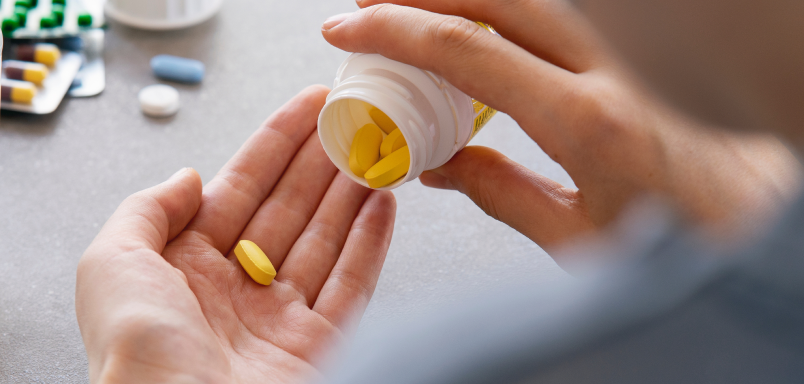
We review all your current medications and supplements to identify anything that could affect clotting, anesthesia response, or healing.

Why it matters

Certain herbals, blood thinners, and anti-inflammatory medications can significantly increase surgical risk. Stopping them in advance is one of the simplest ways to improve your safety.
Intraoperative Management (During Surgery)
What happens in the OR shapes how you feel when you wake up. Our surgical and anesthesia teams use specialized techniques to minimize trauma and prevent the pain and nausea that typically follow surgery.

Targeted, Opioid-Sparing Anesthesia


We rely on regional nerve blocks and non-narcotic medications rather than heavy opioid sedation, keeping you comfortable while avoiding the heavy grogginess and nausea that narcotics commonly cause.


Why it matters

Patients who wake up without significant nausea or opioid fog are able to sit up, breathe deeply, and begin moving far sooner, which directly reduces complication risk.

Minimally InvasiveTechniques


Where possible, we use approaches that minimize incision size and reduce the amount of tissue handling, achieving the same surgical goals with less physical disruption.


Why it matters

Less surgical trauma means less inflammation, less pain in the days following surgery, and a meaningfully shorter recovery window.

Precise Fluid Management


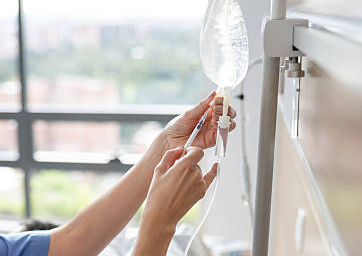
IV fluids are carefully calibrated throughout the procedure, enough to maintain ideal hydration, but never so much that excess fluid collects in tissue and causes prolonged swelling.

Why it matters

Over-hydration is a common but preventable cause of post-operative bloating and discomfort. Getting this right in the OR directly improves how you feel in recovery.
Postoperative Mobilization (After Surgery)
The first hours and days after surgery are when many of the most important decisions are made. Moving early, managing pain proactively, and following a structured recovery plan all dramatically affect how quickly you heal.

Early Mobility

We encourage patients to sit up, stand, and walk as soon as it is safely possible, often within hours of the procedure ending, not the next day.

Why it matters

Early movement is one of the most powerful tools in surgical recovery. It reduces blood clot risk, improves lung function, and jumpstarts normal circulation and bowel activity.

Multi-Modal Pain Management

Rather than relying on a single strong narcotic, we combine several lower-dose pain strategies, anti-inflammatories, nerve blocks, and more to keep you comfortable with minimal side effects.


Why it matters

This approach provides better, more consistent pain control than narcotics alone, while avoiding the constipation, dizziness, and dependence risk that high-dose opioids carry.

For every goal, every story, every patient

Excellence is What
You Deserve